In short: when a financial crisis hits, we see wild swings; when a pandemic spreads, we see wild swings; when war breaks out, we see wild swings—the landscape is rife with exogenous shocks and black swans.
I surmise that for an NYK executive who knows this all too well, a visit to Konpira-san (Kotohira-gu Shrine) is not a mere formality but an expression of awe before a fundamentally unknowable business environment.
It’s been a while since my last update. In this line of work there’s far more I can’t write about than I can, and I’m once again reminded how hard it is to create content.
今回は無難なコンテンツでいきます。広島、今治出張の風景をお届けします。
Playing it safe this time—sharing a few snapshots from my work trip to Hiroshima and Imabari.
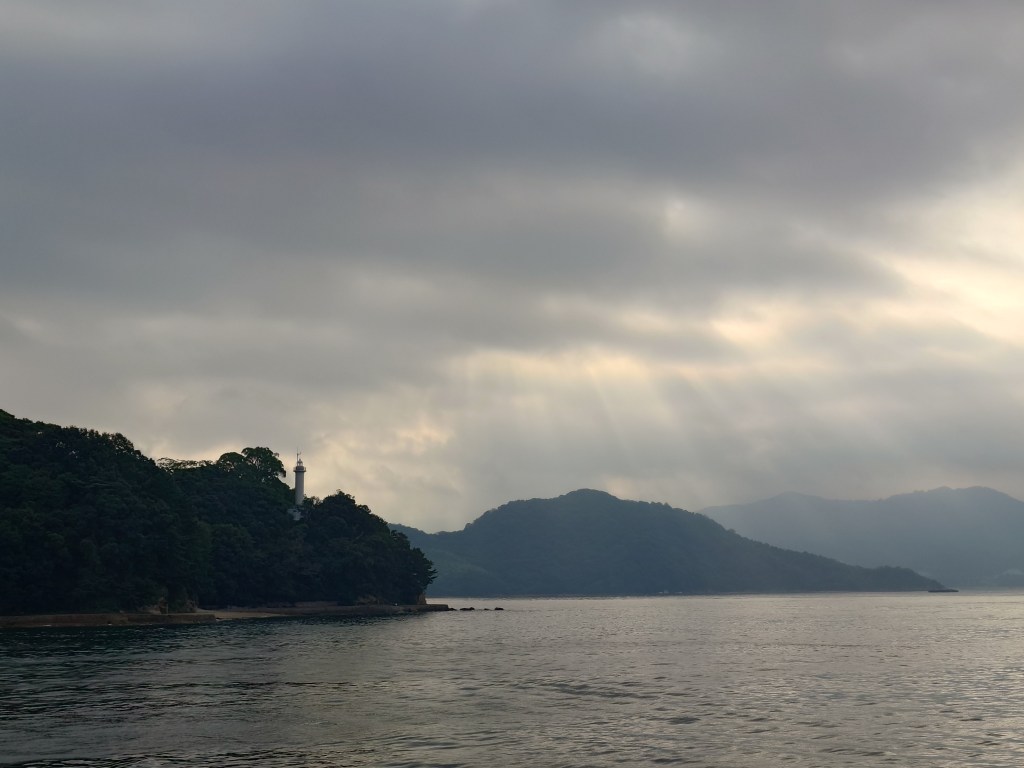
Passing by Kure Port. On my last trip I saw JS Kaga (DDH-184), a JMSDF helicopter destroyer; this time she appears to be out. A small landing-craft-type vessel just passed right in front of me.
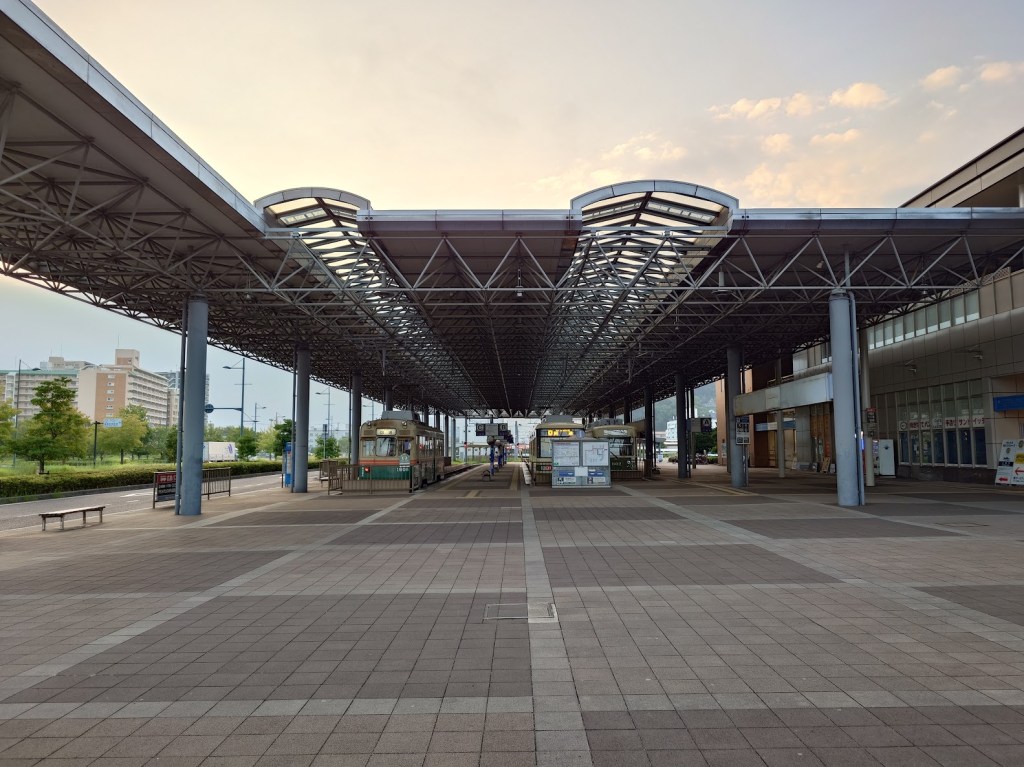
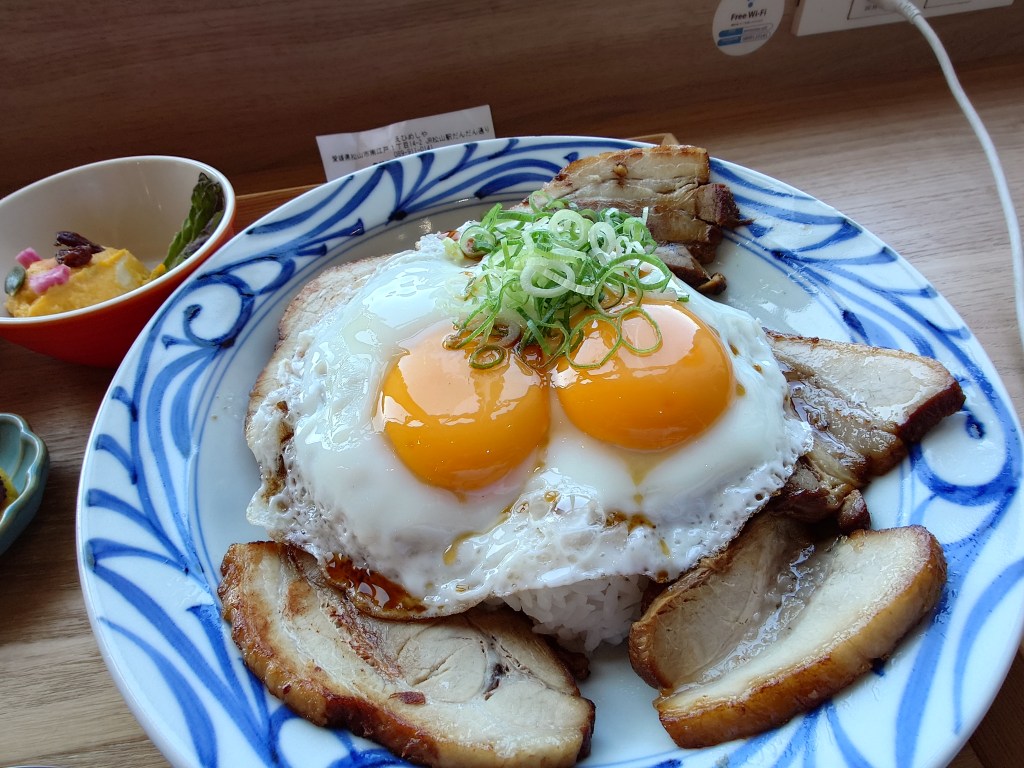
I’ve arrived in Matsuyama. With the schedule tight, lunch is at a station restaurant—Imabari’s famous yakibuta tamago-meshi (roast pork and fried egg over rice). Someday I hope to try the original at Hakurakuten.
予讃線で今治に向かいます。線路沿いの海岸の風景はいつみても美しいものです。
Bound for Imabari on the JR Yosan Line. The coastline unfurling beside the rails is beautiful every time.
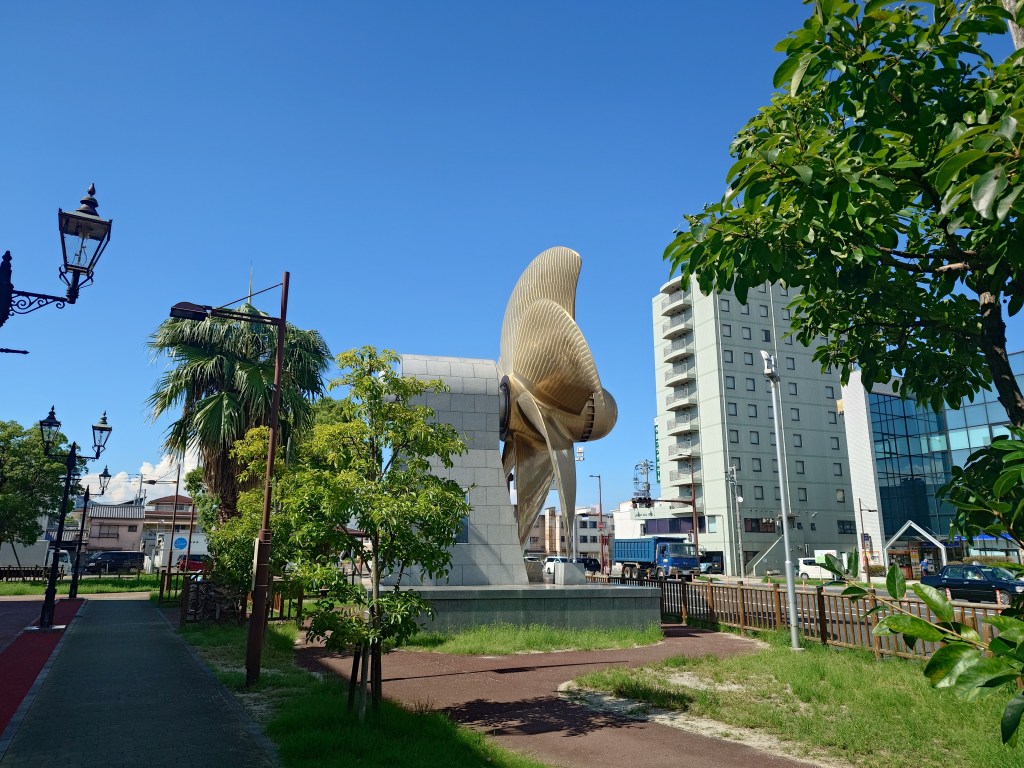
Imabari’s iconic “screw” (propeller) is said to come from an 8,000-TEU container ship. How large would a propeller be on a 20,000-TEU-class mega-container ship today?
今治国際ホテルのラウンジで休憩。ここでの発言には注意しないといけません。
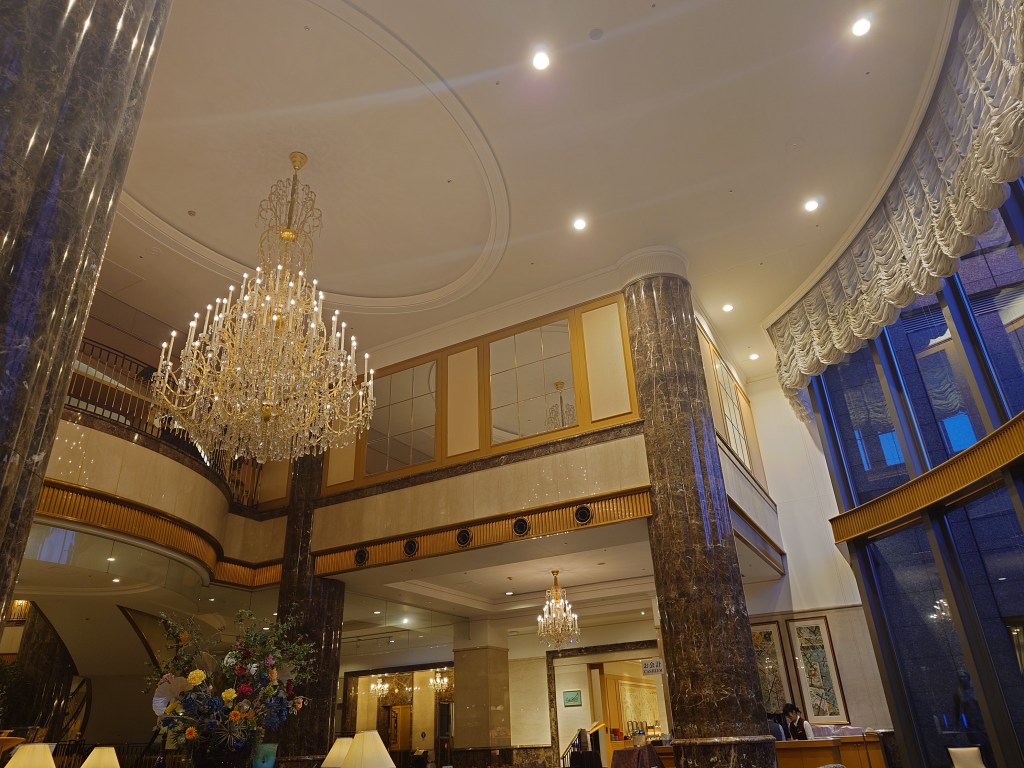
Cooling off in the Imabari Kokusai Hotel lounge. Note to self: choose my words carefully.
夜は松本町の名店もりもとやで会食です。地の物中心の素朴なメニューがしみじみ魅力的です。
Dinner tonight at Morimotoya, a renowned spot in Matsumoto-cho. The simple, locally sourced menu has a quiet, lingering charm.
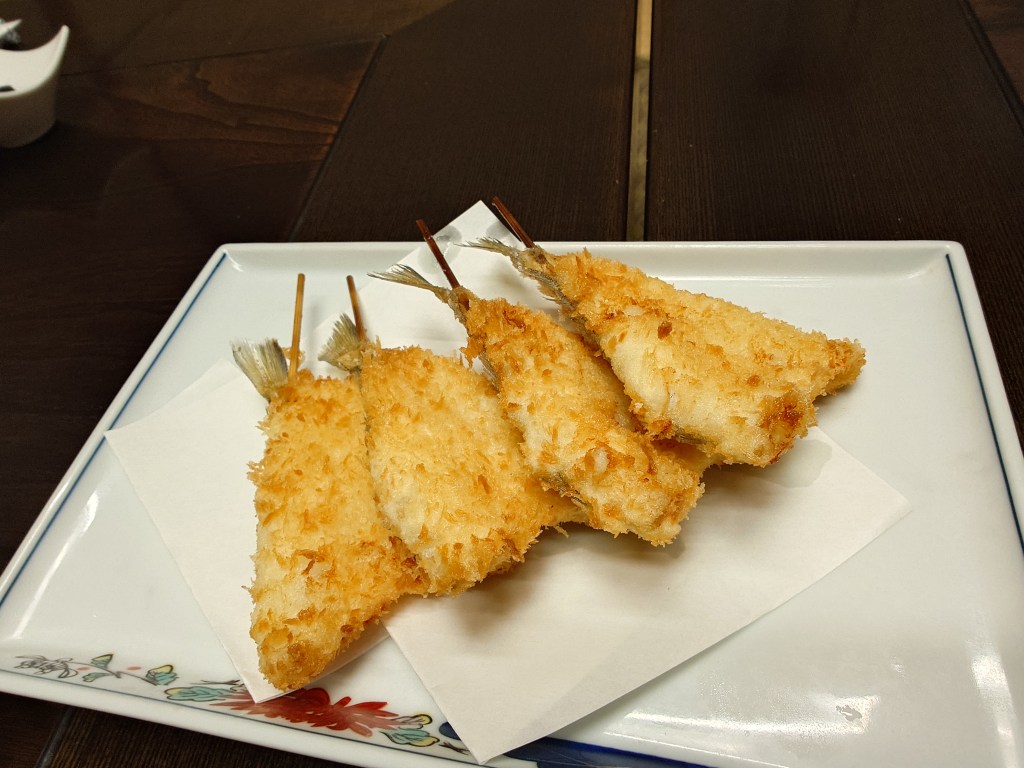
キスのフライが絶品でした。ホクホクです。
The fried kisu (Japanese whiting) was superb—hot and flaky.
The other day at Bariship, I attended a panel session featuring shipowners. Among the speakers was a company president whose uniquely intellectual and composed manner of speaking stood out. That individual was Mr. Yosuke Kawakami, President of Soki Kisen Co., Ltd.
Intrigued, I looked into him further and found that an interview with Mr. Kawakami had been published in the Japan Maritime Daily on May 9, 2023. In the interview, he made the following noteworthy statements (summary below):
1.The shipowning business resembles an event-driven hedge fund that invests in physical options.
2.While ship investments with high leverage offer limited spread in normal times, when events occur—such as port congestion during the COVID-19 pandemic—supply-demand conditions tighten, creating opportunities for capital gains.
Exactly my thought. Ships are regarded as internationally traded investment assets denominated in U.S. dollars, supported by various valuation services and easy access to actual transaction data. The financial structure of oceangoing shipowners—whose assets consist almost entirely of vessels—closely resembles that of an investment fund. From another perspective, shipowners can be seen as rare economic entities that uniquely satisfy the core assumption of the structural credit risk model proposed in 1974 by Nobel laureate Robert C. Merton: namely, that “a firm’s asset value follows a stochastic process.”
That said, the behavior of the shipping market is, in a fundamental sense, unpredictable. It is affected by everything—from pandemics and wars to the inauguration of a U.S. president with a different outlook on trade. The probabilistic nature of the market is extremely difficult to define. Ship finance, as a theme, is notoriously challenging for data analysts, and precisely for that reason, I personally find it a field worth tackling.
Our company, Credit Pricing Corporation (CPC), was founded in 2001 with the aspiration to contribute to the revitalization of Japan’s financial system, which had fallen into dysfunction due to the non-performing loan crisis at the time, by providing liquidity to the Japanese loan market.
Since then, we have supported the resolution of financial risk management issues—primarily credit risk—for clients playing key roles in the Japanese economy, including banks, general trading companies, and leasing firms.
One of our core areas of expertise lies in providing methodologies for investment decision-making and risk management related to asset-backed financial products such as aircraft, vessels, and real estate.
oday, although the shipping market has generally recovered from the prolonged downturn of the 2010s, Japanese oceangoing shipowners face an increasingly challenging investment environment due to vessel upsizing, rising material costs, and the depreciation of the yen. Meanwhile, outstanding ship finance loans have been increasing significantly, highlighting the growing need for a broader range of financial institutions to support ship finance in Japan.
In response to these contemporary challenges, our firm aims to provide a comprehensive range of quantitative ship finance evaluation methodologies. These methodologies are designed to meet the standards of accountability expected under the internal ratings-based approaches defined by the Basel regulatory framework. In subsequent posts, we plan to introduce and explain these methodologies in greater detail.





 Quantitative Approach For Ship Finance